19 Partnerships with UNESCO Geoparks
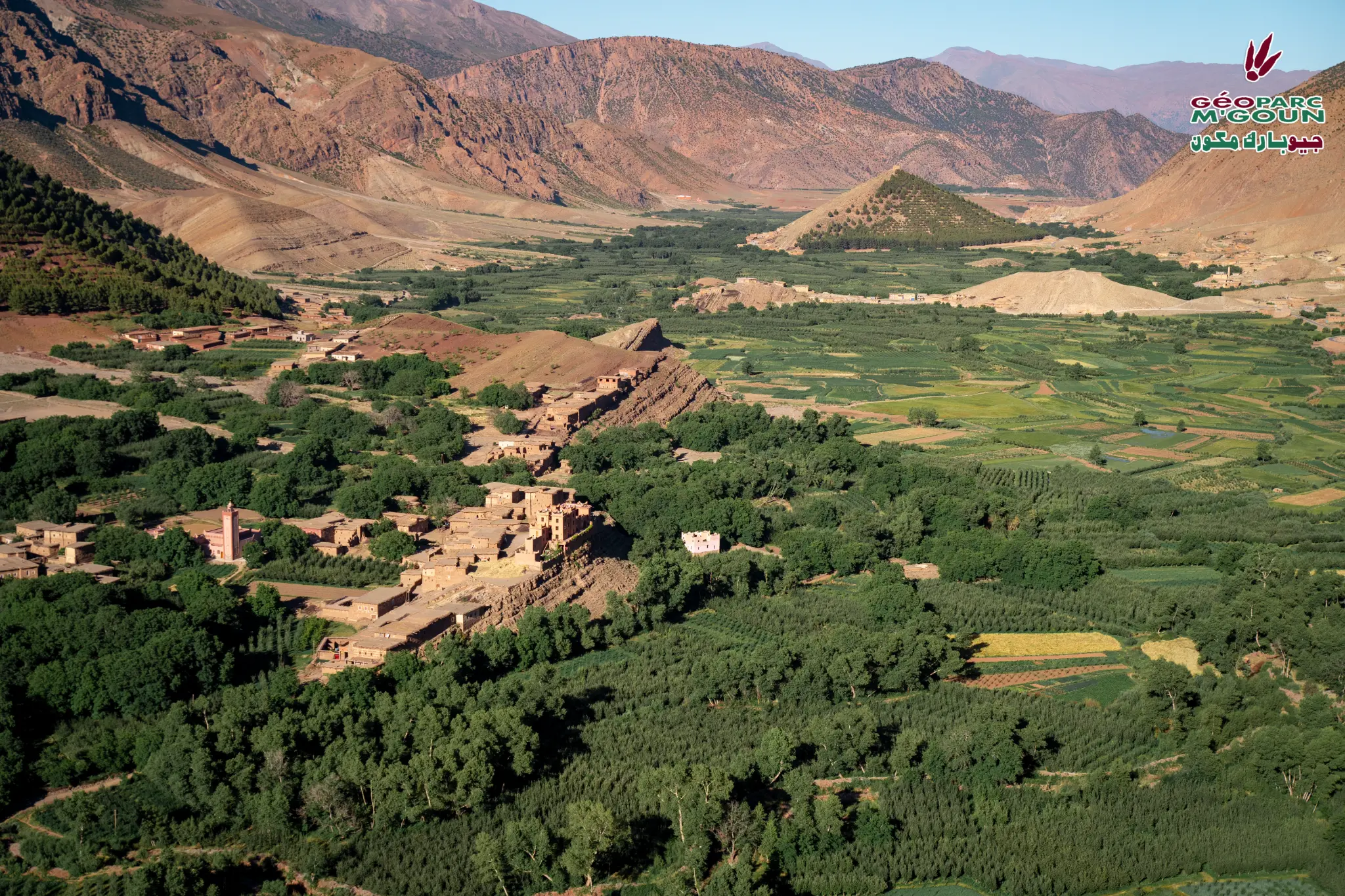
The M'Goun Geopark has signed 19 partnership conventions with UNESCO geoparks around the world — 13 at the 10th International Conference (Marrakech, 2023), 4 at the 11th Conference (2025) and 2 bilateral partnerships signed in 2026.
Global Partners Network
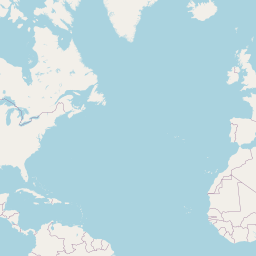
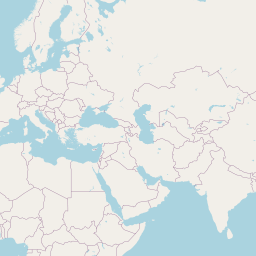
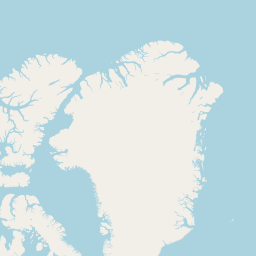
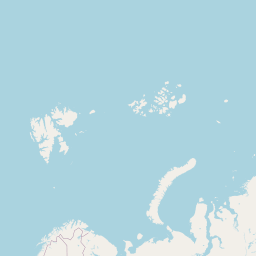
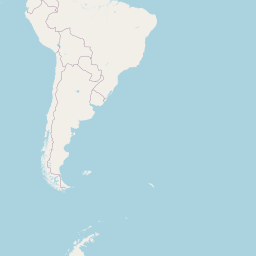
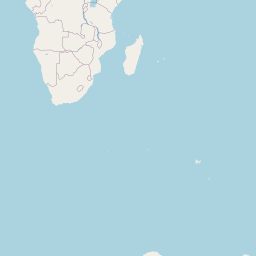
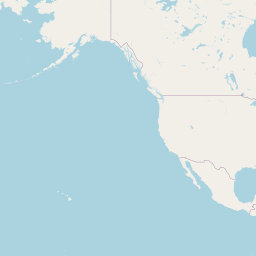
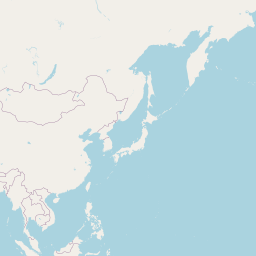
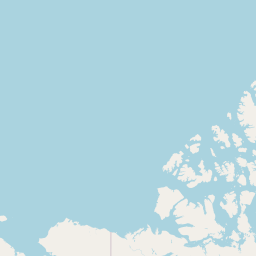
Click on a marker to display partner geopark details. Green lines represent 10th Conference partnerships (2023), golden lines represent 11th Conference partnerships (2025 and 2026).

Bauges Geopark
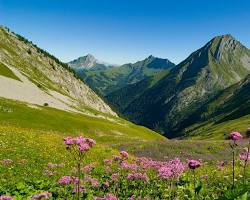
UNESCO Geopark located in the French Alps, famous for its limestone landscapes, cliffs, and spectacular gorges. Partner since the 10th International Conference in Marrakech (2023).
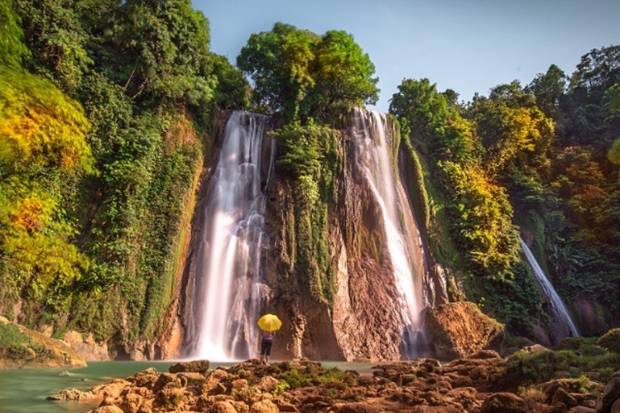
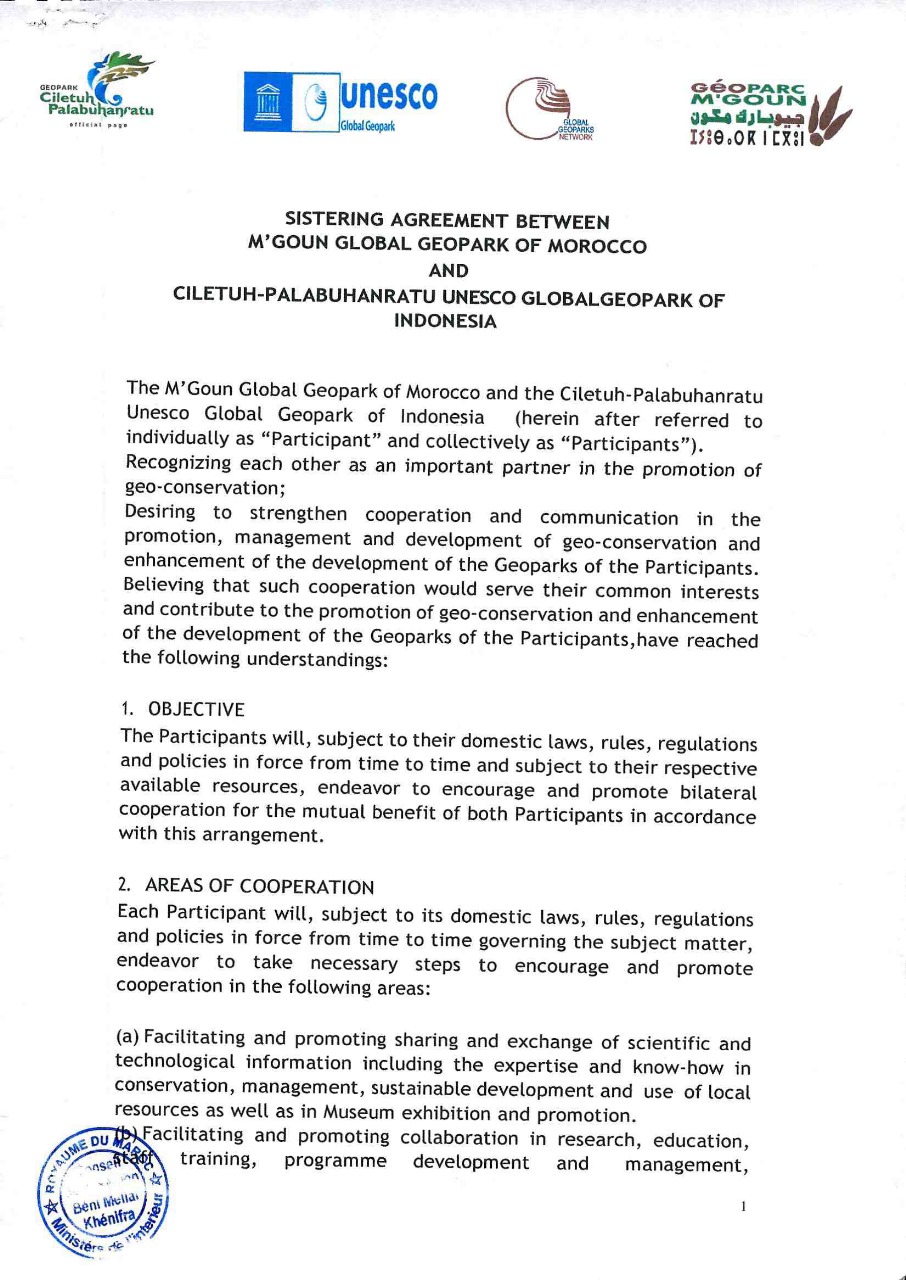
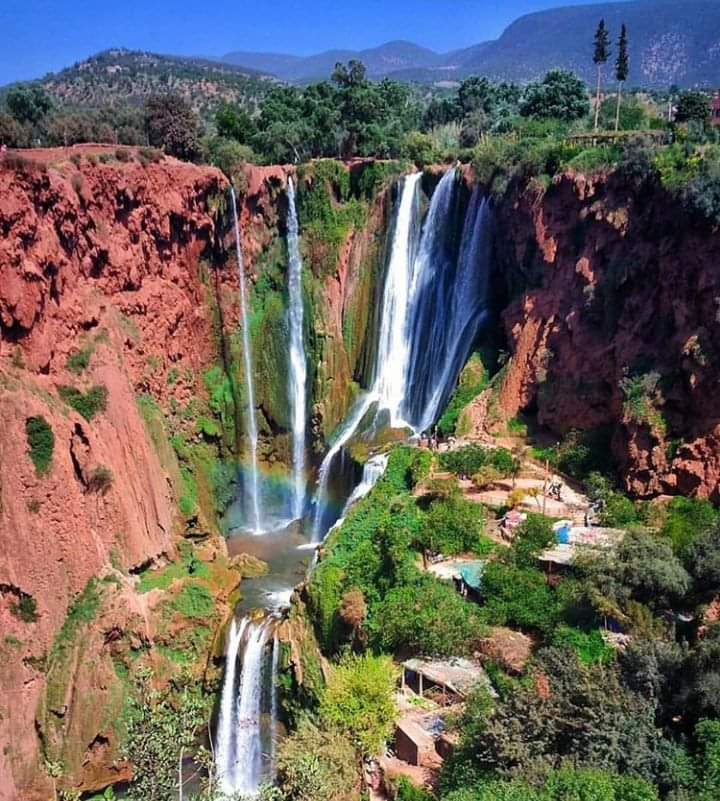
Ciletuh-Palabuhanratu Geopark
UNESCO Geopark in West Java, Indonesia. Known for its spectacular coastal landscapes, waterfalls, and ophiolitic rocks among the oldest in Indonesia.
Ijen Geopark
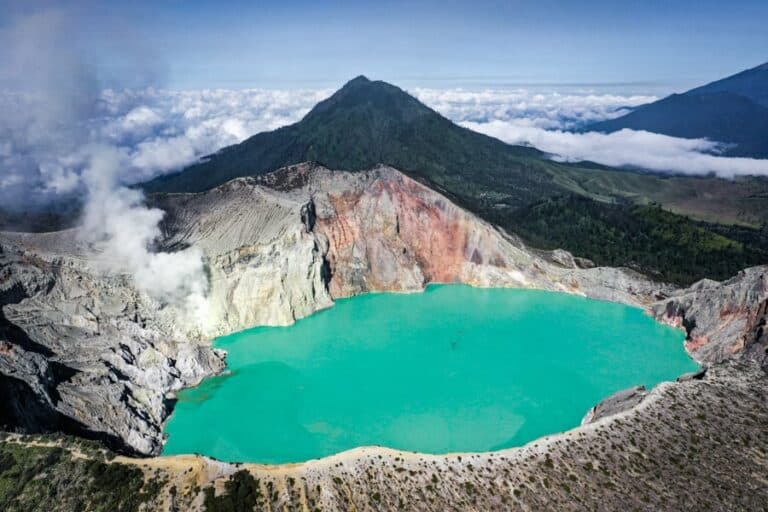
UNESCO Geopark in East Java, famous for the Ijen volcanic crater with its turquoise acid lake, and the rare blue sulfur flames phenomenon.
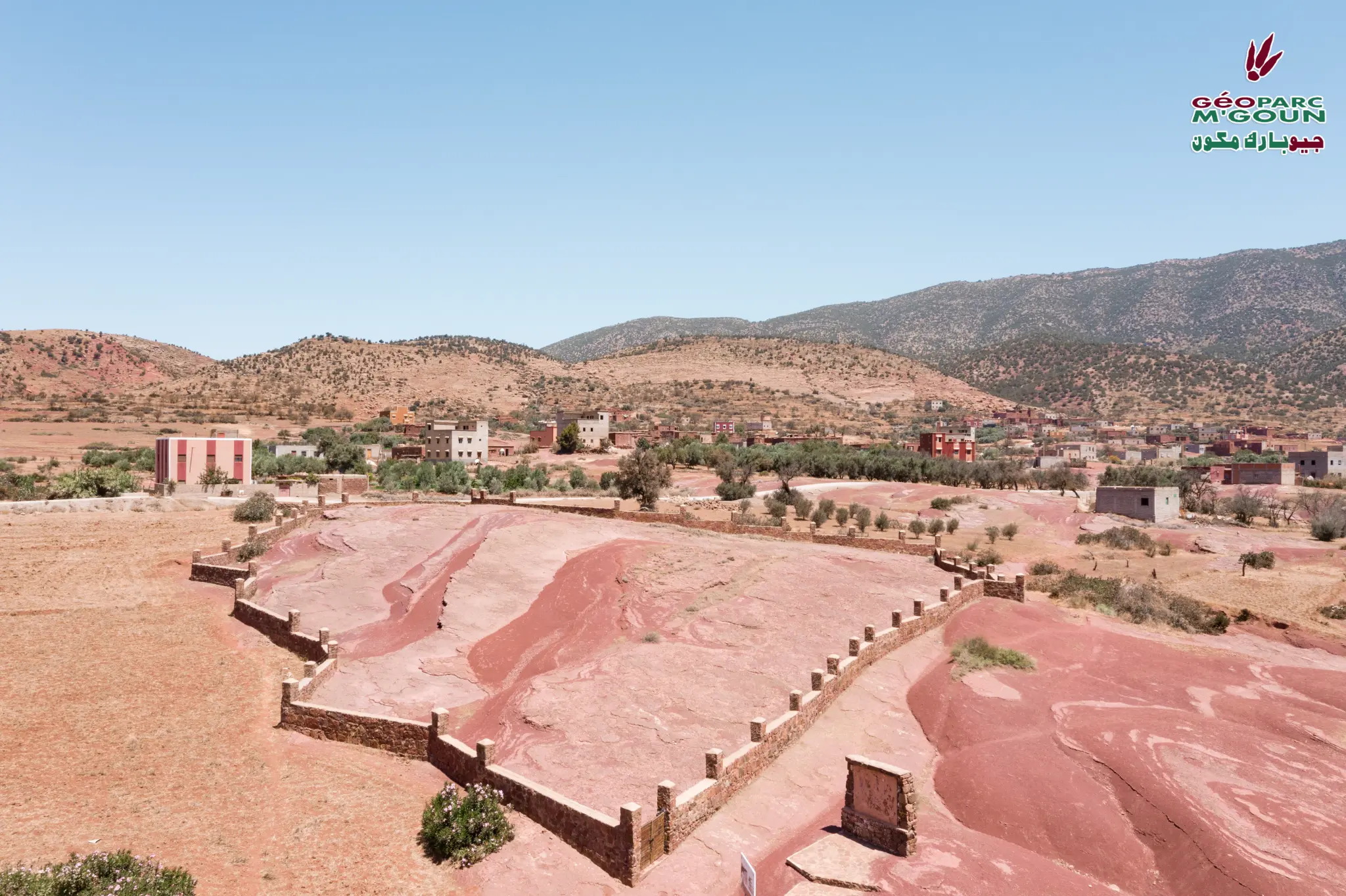
Ngorongoro-Lengai Geopark
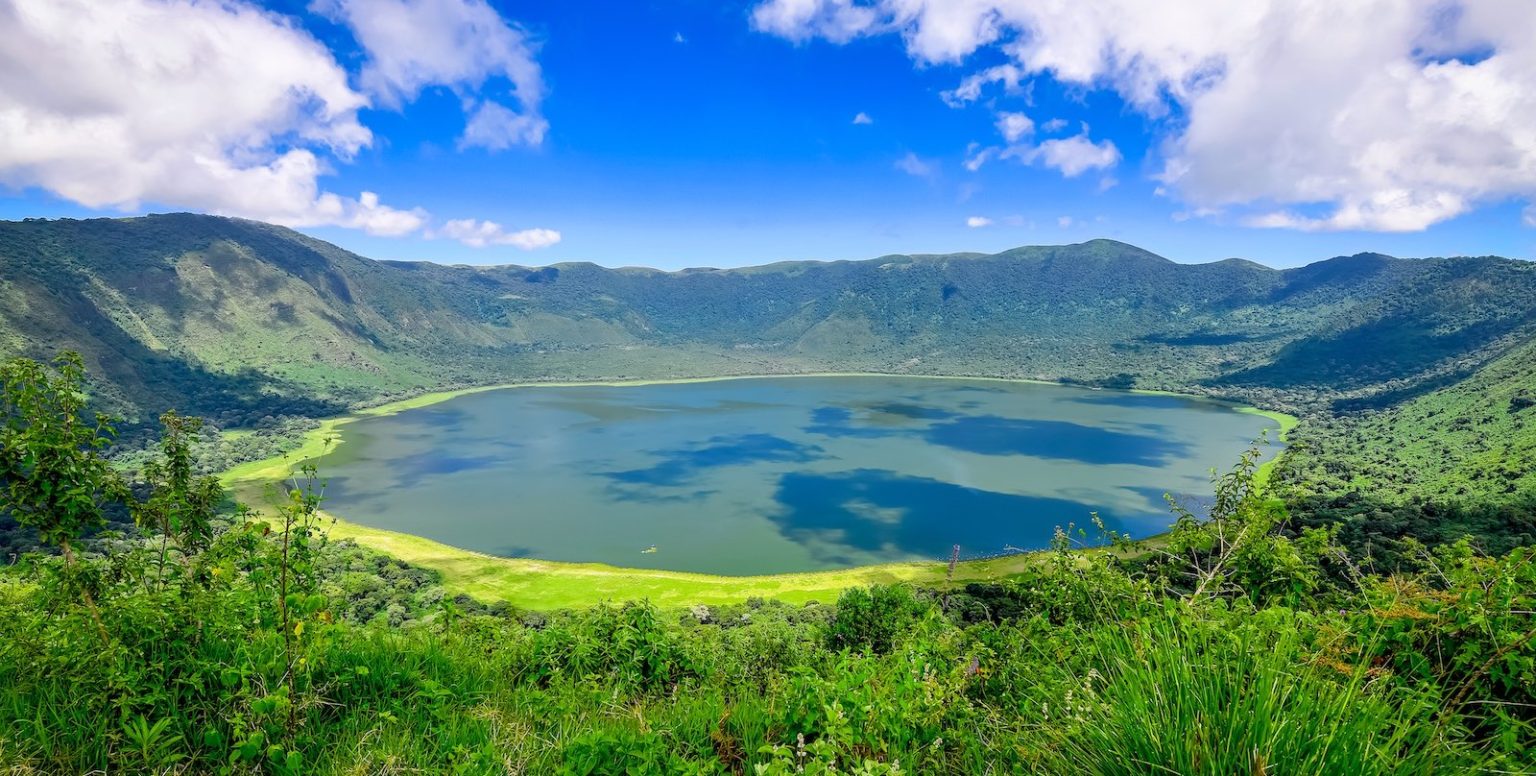
UNESCO Geopark in Tanzania, encompassing the famous Ngorongoro Crater and Ol Doinyo Lengai volcano. A territory of exceptional biodiversity and geology in East Africa.
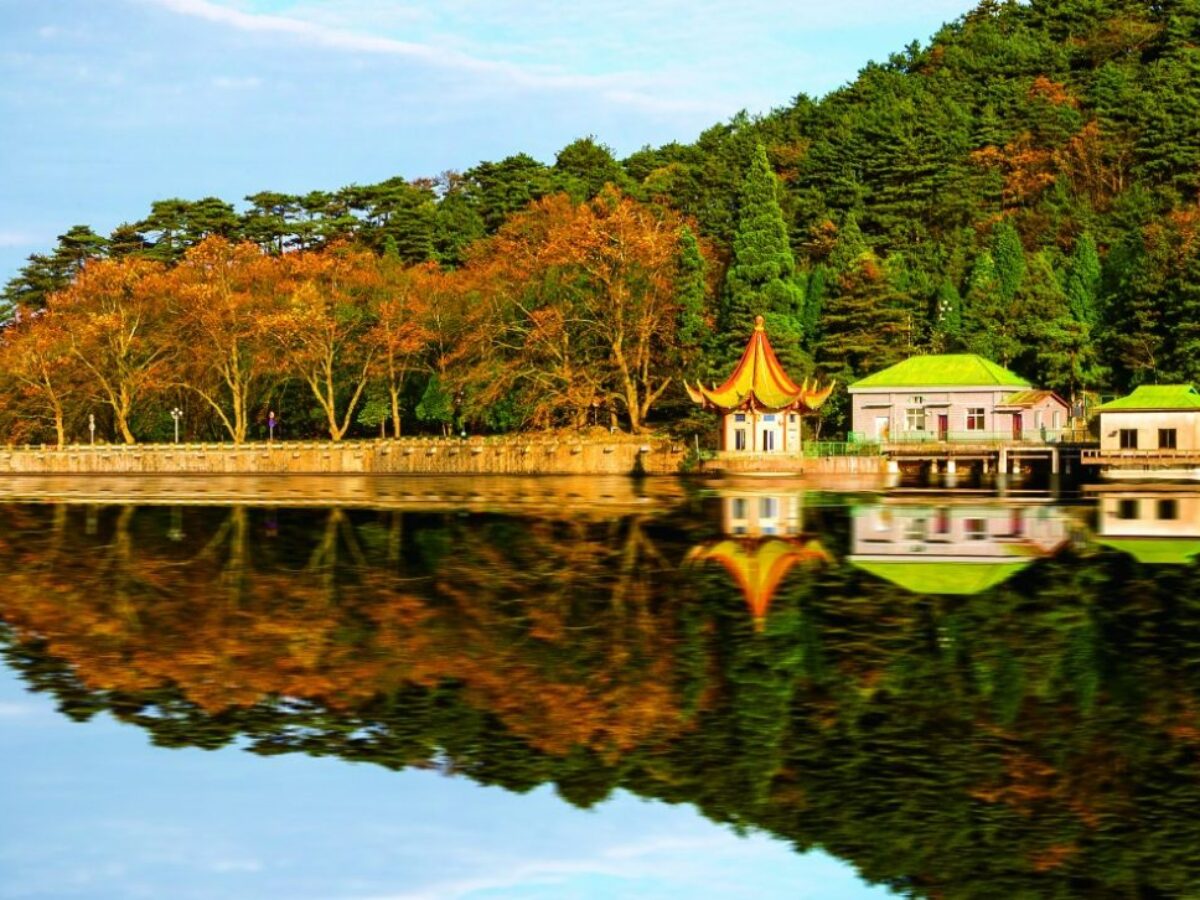
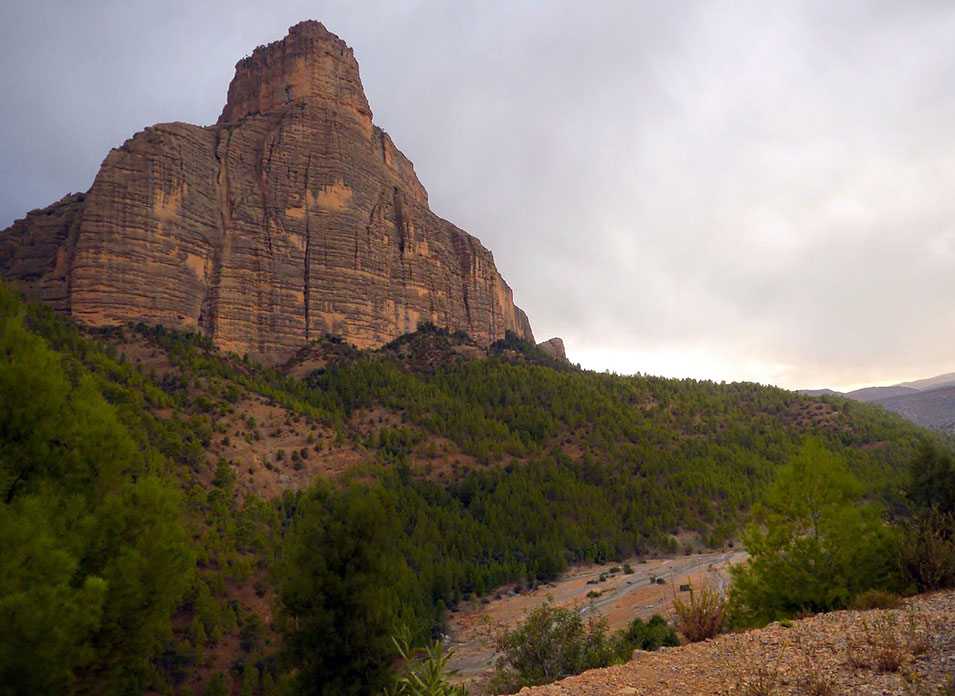
Mount Lushan Geopark
The first UNESCO World Geopark in China, Mount Lushan is famous for its misty landscapes, granite cliffs, and its role in Chinese cultural and philosophical history.
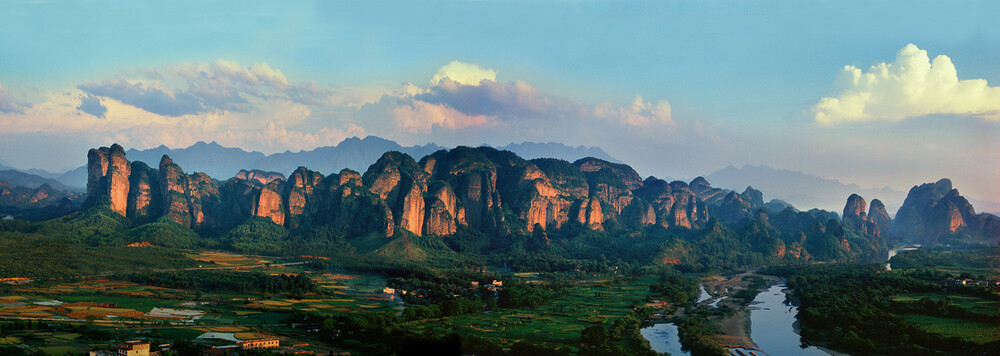
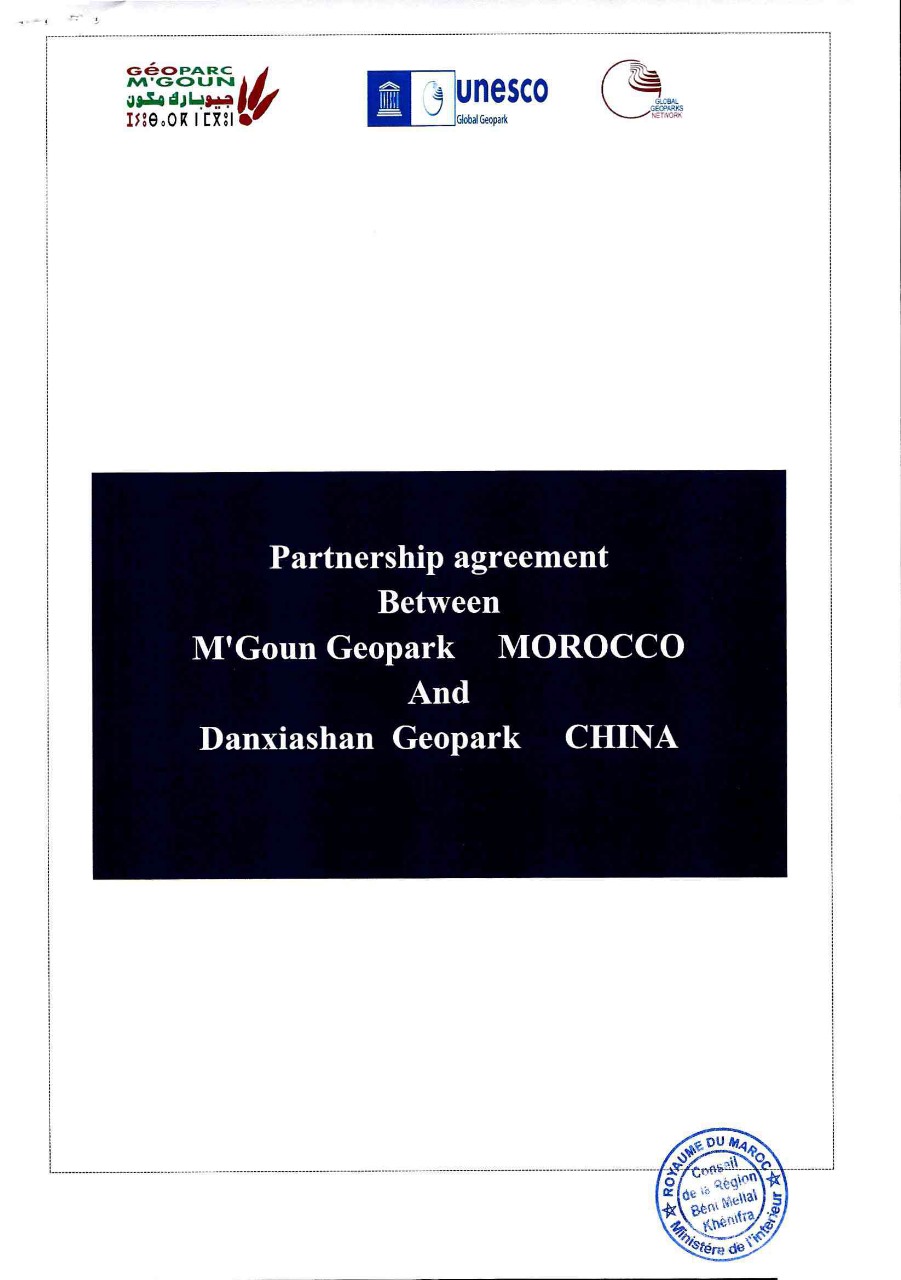
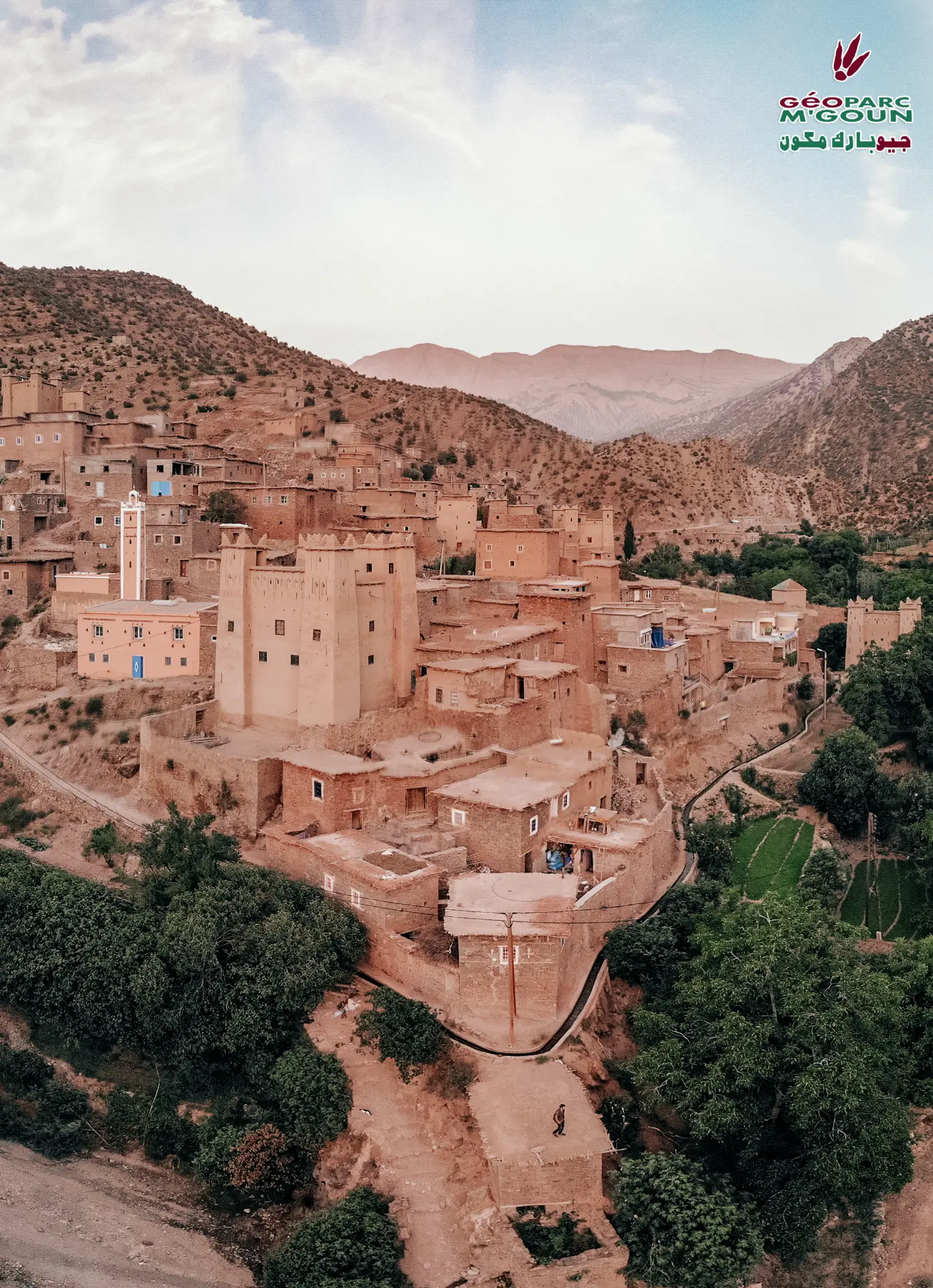
Danxiashan Geopark
UNESCO Geopark in Guangdong, China. Famous for its characteristic red rock formations (Danxia), vertical cliffs, and landscapes listed as UNESCO World Heritage.
Fundy Geopark
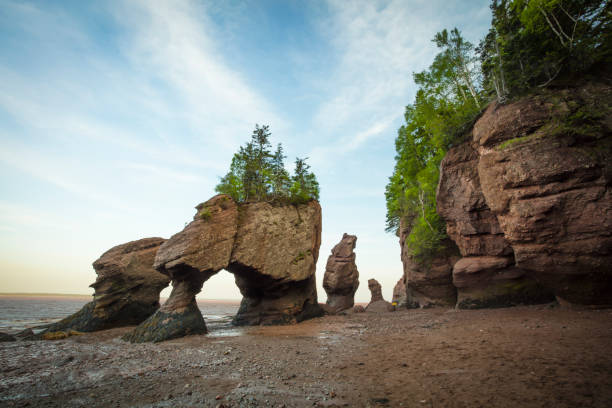
UNESCO Geopark in Nova Scotia, Canada. Famous for the world's highest tides (up to 16 meters), its red sandstone cliffs, and Triassic period fossils.
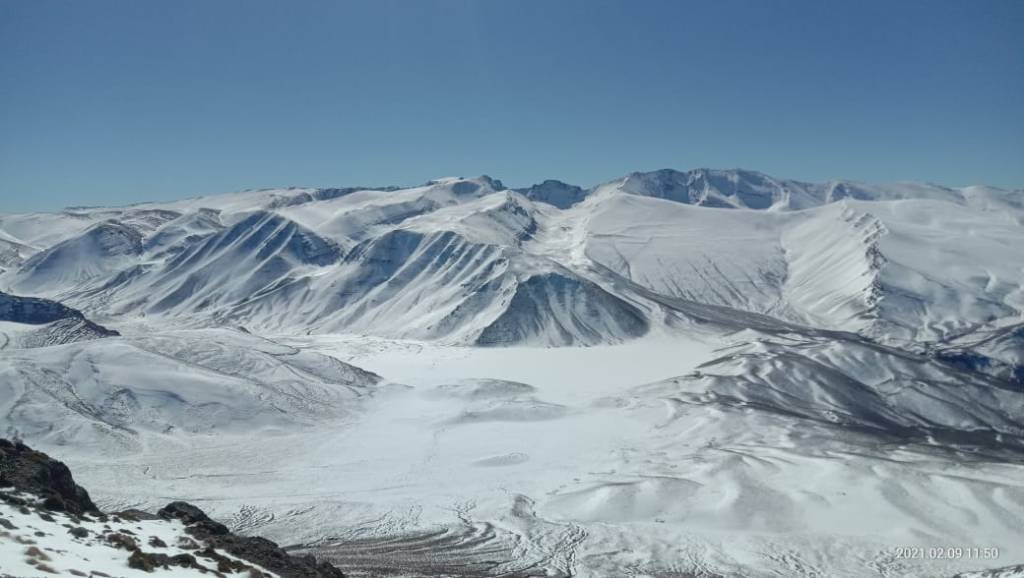
Algarvensis Geopark
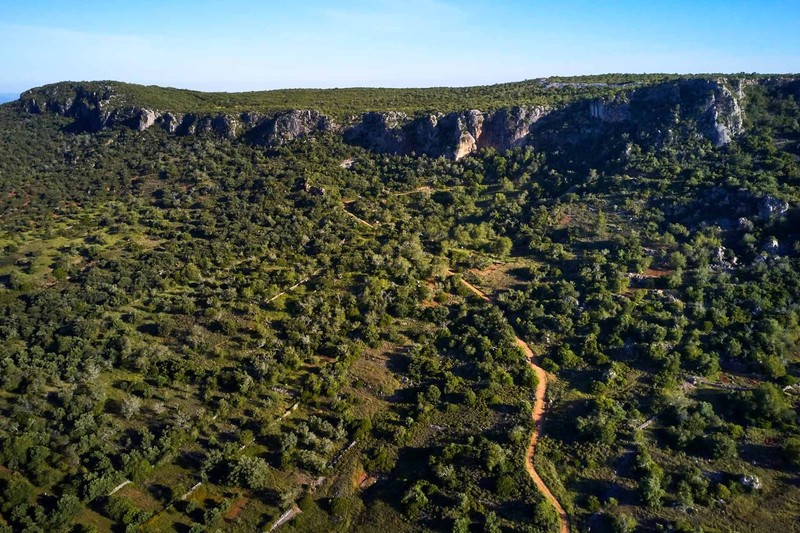
UNESCO Geopark in the Algarve, Portugal. Famous for its karstic limestone landscapes, caves, gorges, and the diversity of its Mediterranean flora.
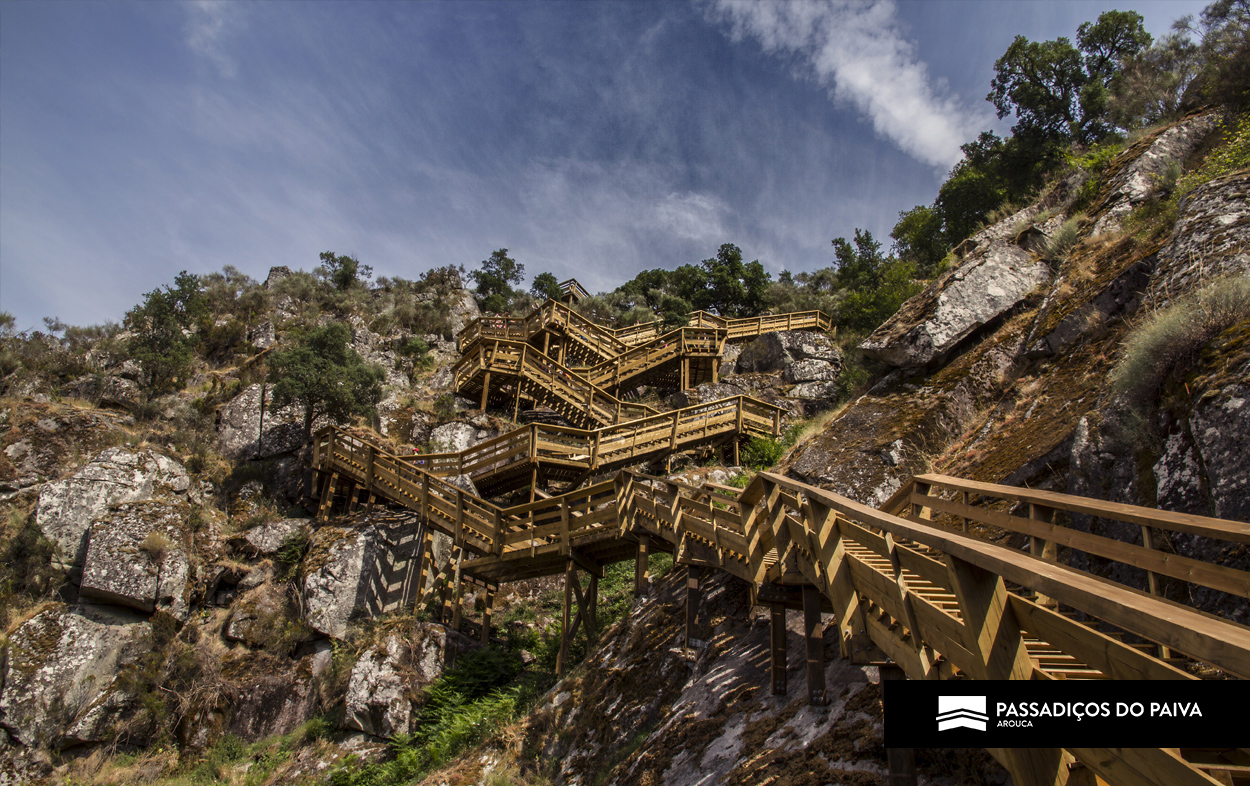
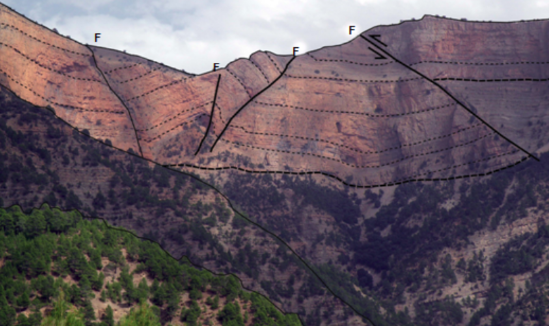
Arouca Geopark
UNESCO Geopark in the Aveiro region, Portugal. Famous for its giant Paleozoic trilobites, schist landscapes, and spectacular gorges of the Paiva River.
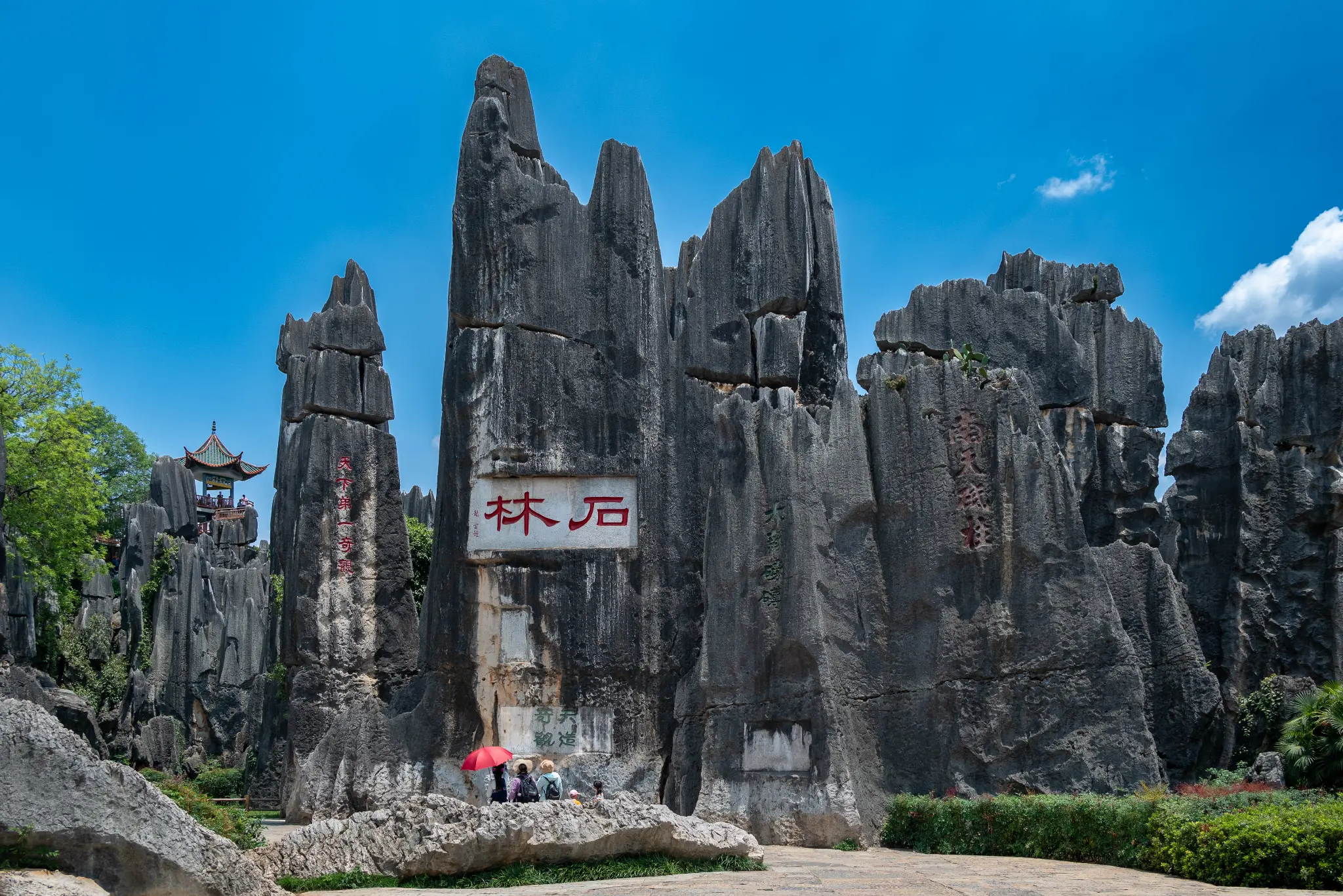
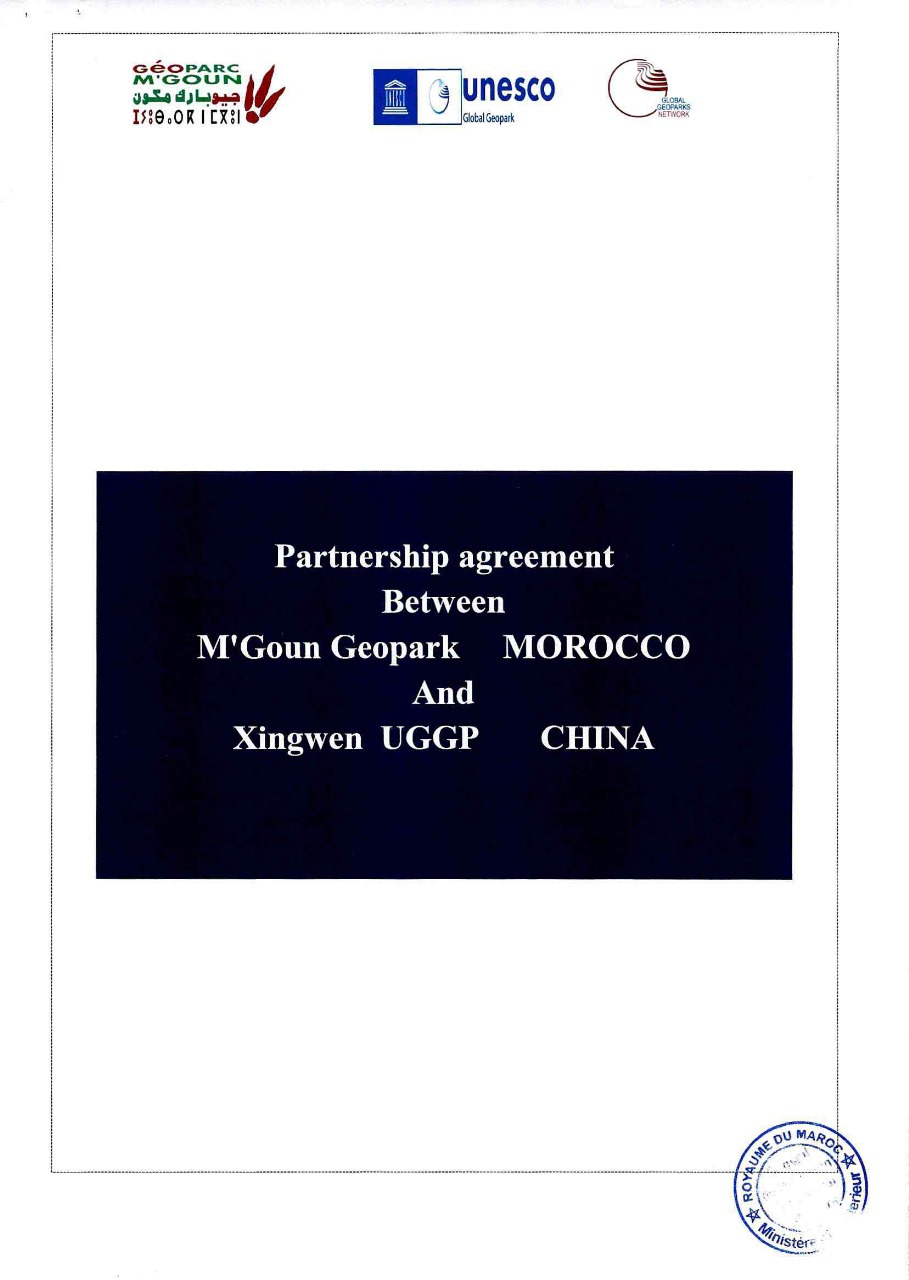
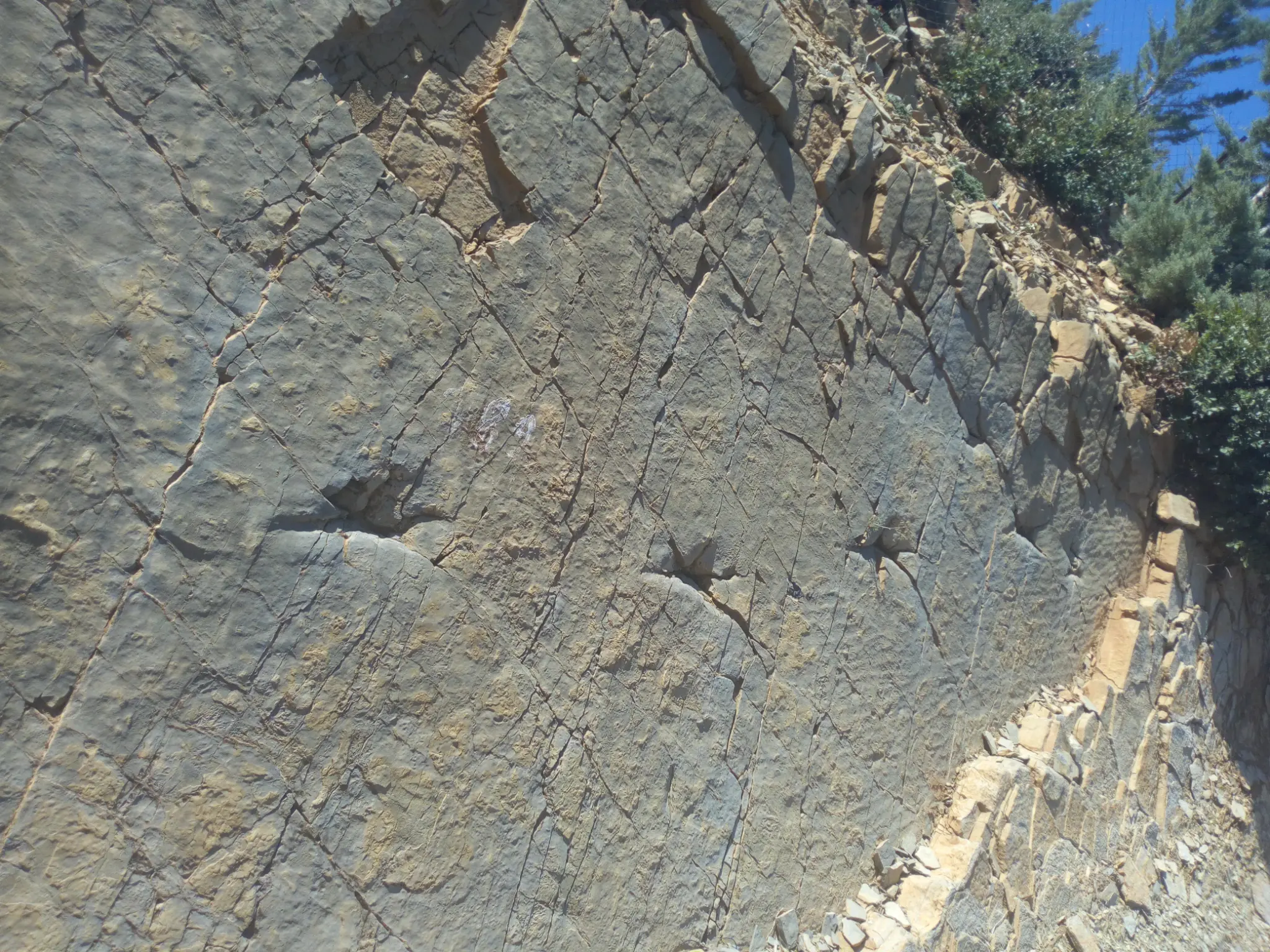
Xingwen Geopark
UNESCO Geopark in Sichuan, China. Famous for its spectacular karstic landscapes, caves, sinkholes, and unique Permian limestone formations.
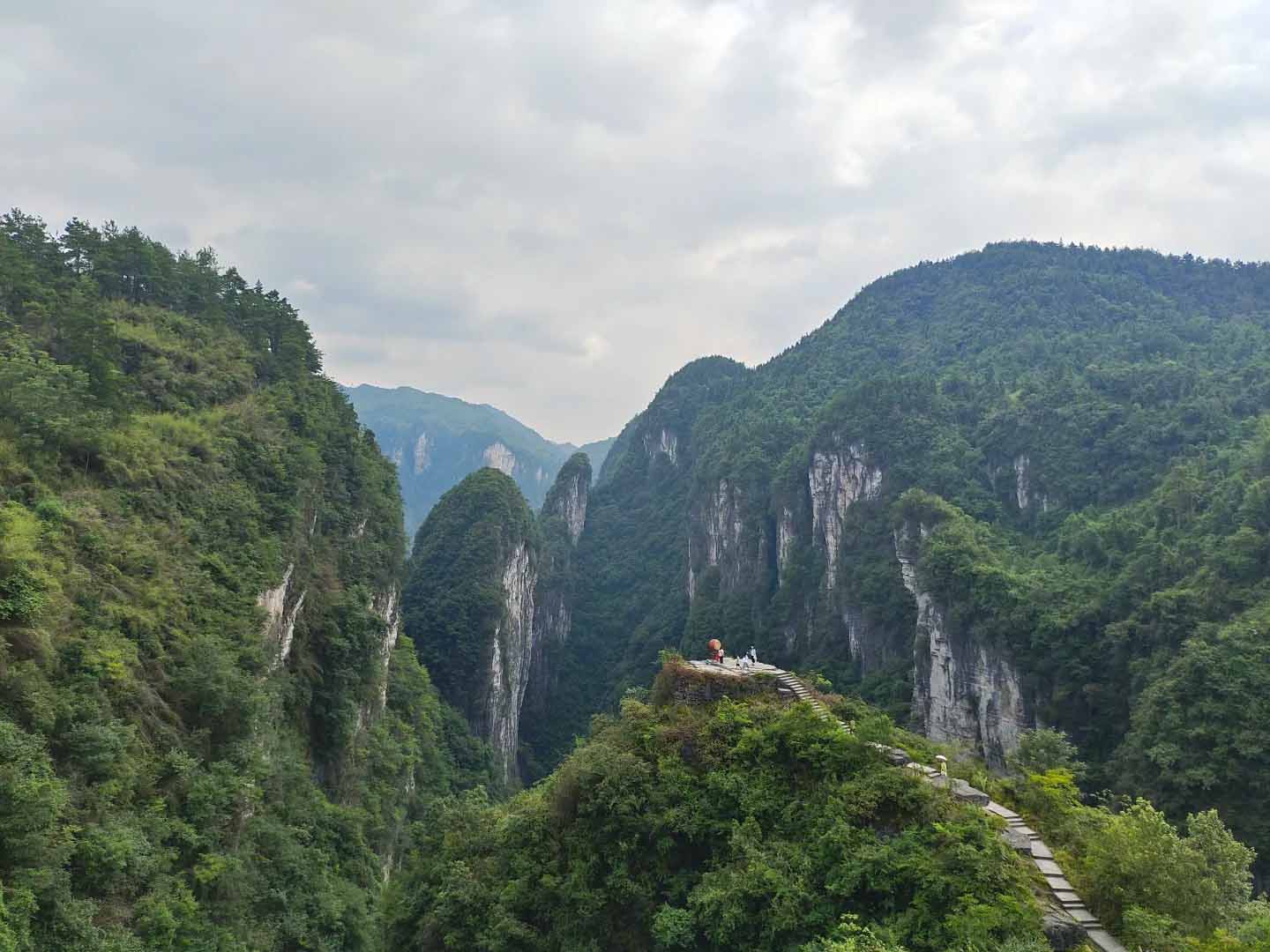
Xiangxi Geopark
UNESCO Geopark in Hunan, China. Known for its sandstone pillars that inspired the floating mountains in the Avatar film, its deep gorges, and rich biodiversity.
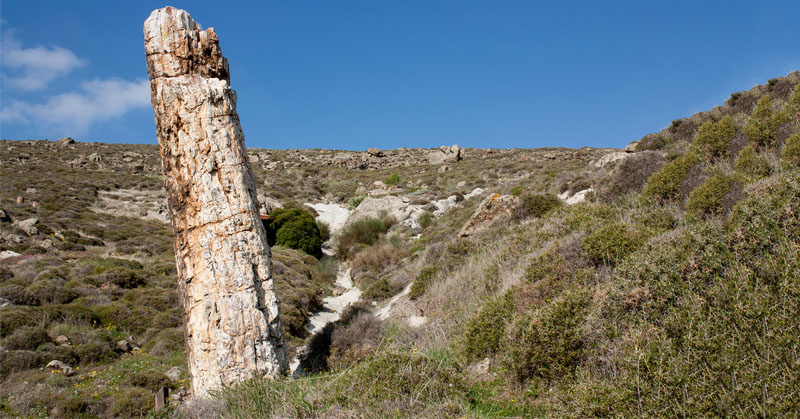
Lesvos Geopark
UNESCO Geopark on the island of Lesbos, Greece. Famous for its 20-million-year-old petrified forest, one of the best preserved in the world, and its volcanic landscapes.
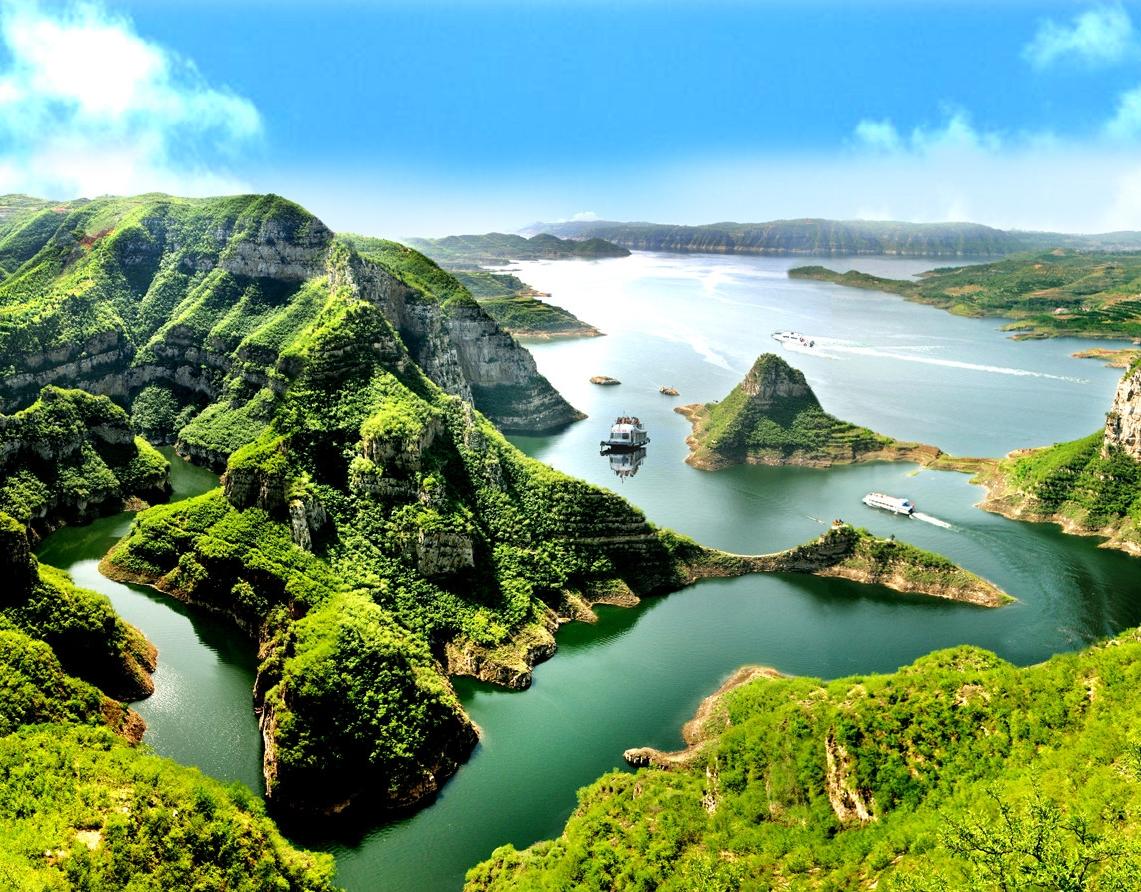
Wangwushan-Daimeishan Geopark
UNESCO Geopark in Henan, China. Famous for its granite mountains, waterfalls, and Buddhist and Taoist historical sites thousands of years old.
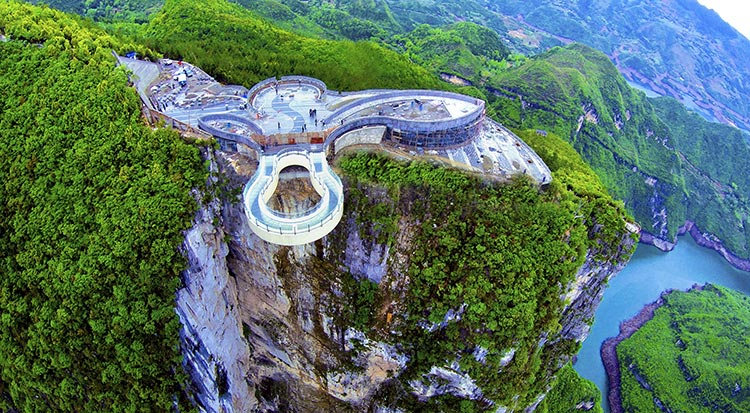
Yunyang Geopark
UNESCO Geopark in Chongqing, China. Famous for its sauropod dinosaur fossils among the most complete in the world, and its spectacular Three Gorges river landscapes.
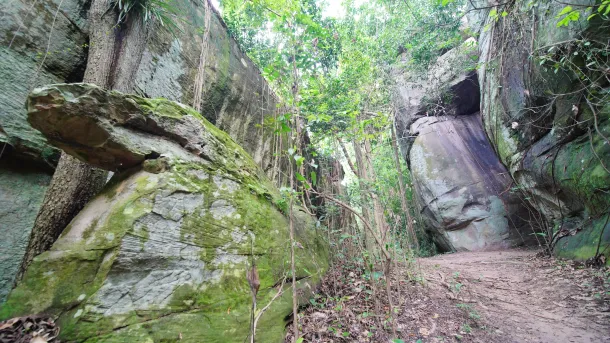
Khorat Geopark
UNESCO Geopark on the Khorat Plateau, Thailand. Famous for its dinosaur fossils, sandstone formations, and Mesozoic tropical savanna landscapes.
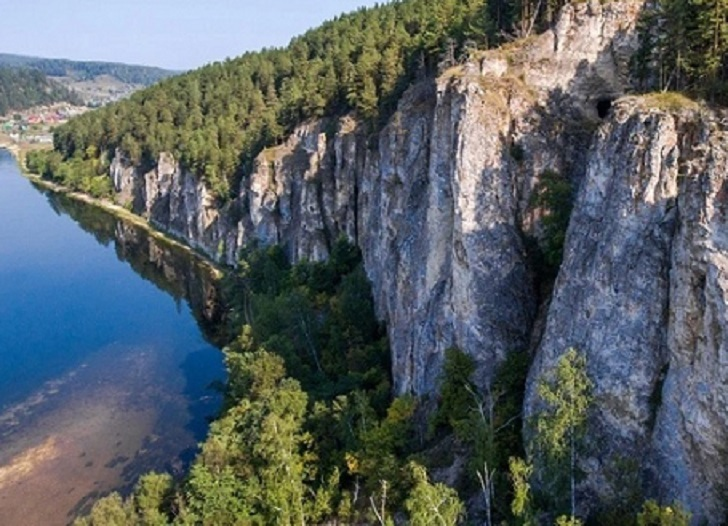
Yangantas Geopark
UNESCO Geopark in the Urals, Russia. Famous for its natural hot springs, Ural geological formations, and its millennial Bashkir cultural heritage.
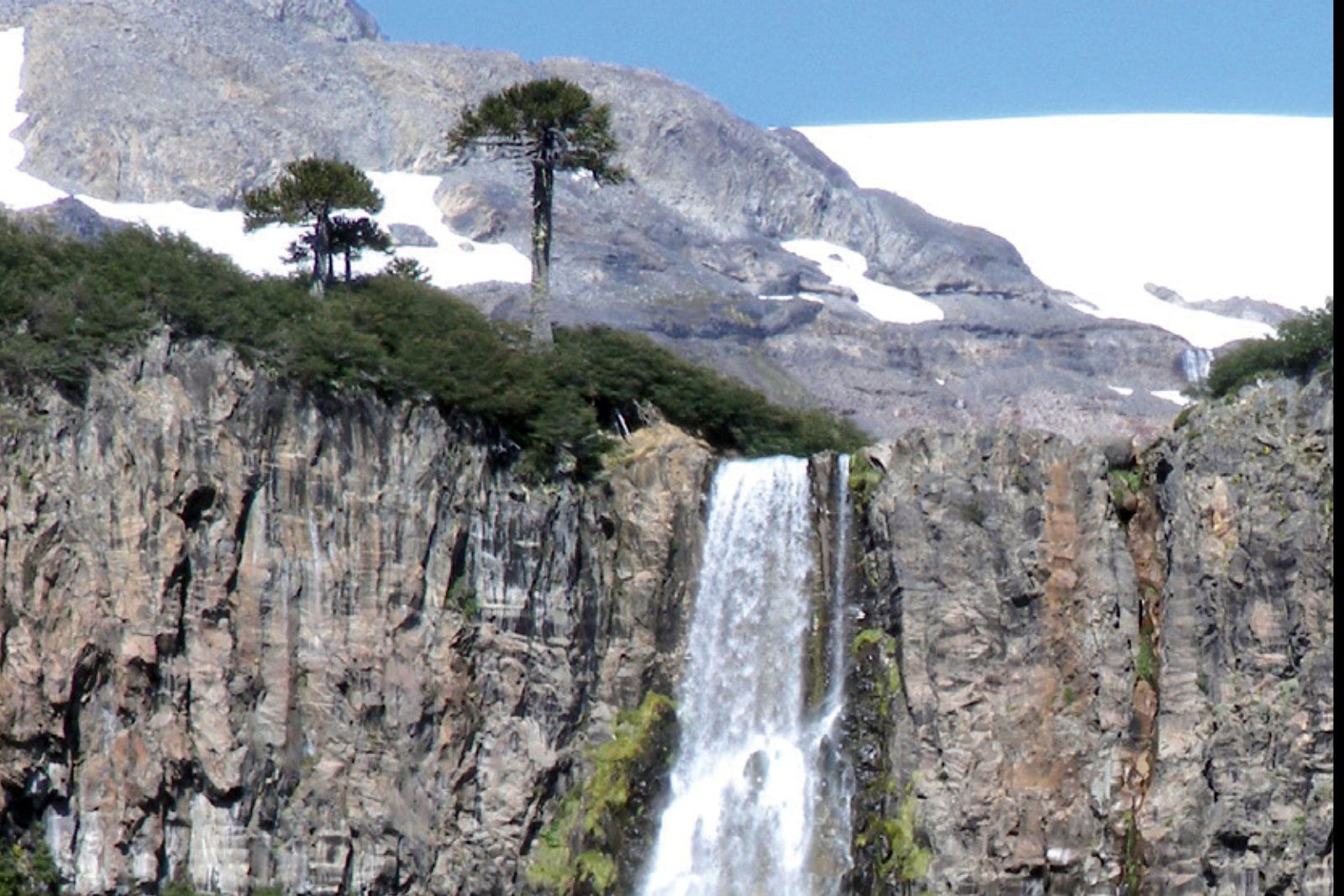
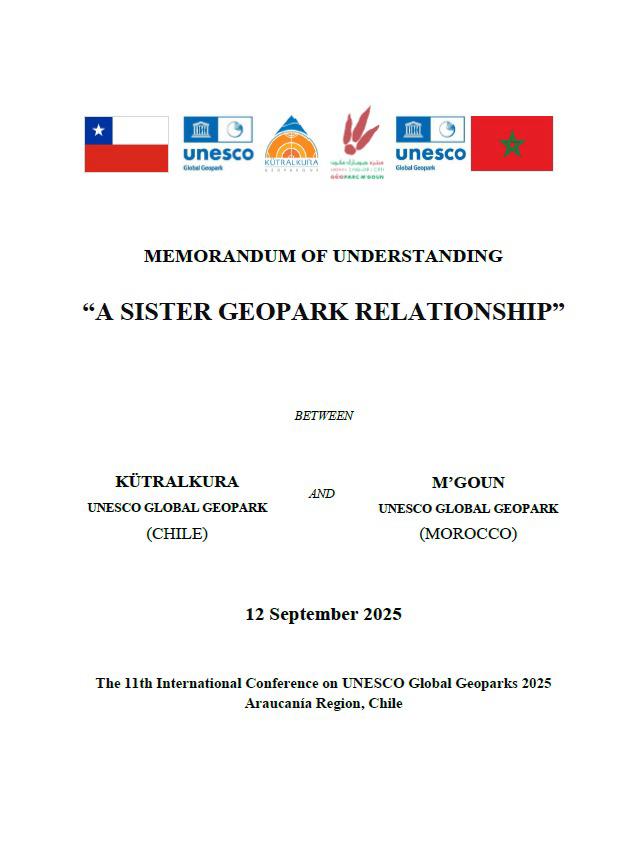
Kütralkura Geopark
UNESCO Geopark in the Araucanía region, Chile. Famous for its active volcanoes, glacial lakes, and the ancestral territory of the Mapuche people, guardians of these Andean landscapes.
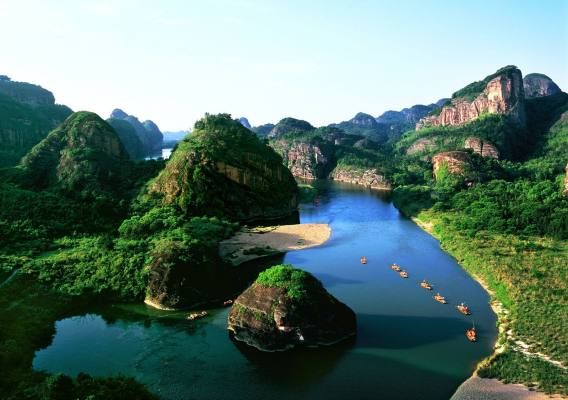
Longhushan Geopark
UNESCO Geopark in Jiangxi Province, China. Famous for its Danxia red sandstone formations, sculpted cliffs, 2,600-year-old cliff tombs, and its role as the cradle of Taoism in China.
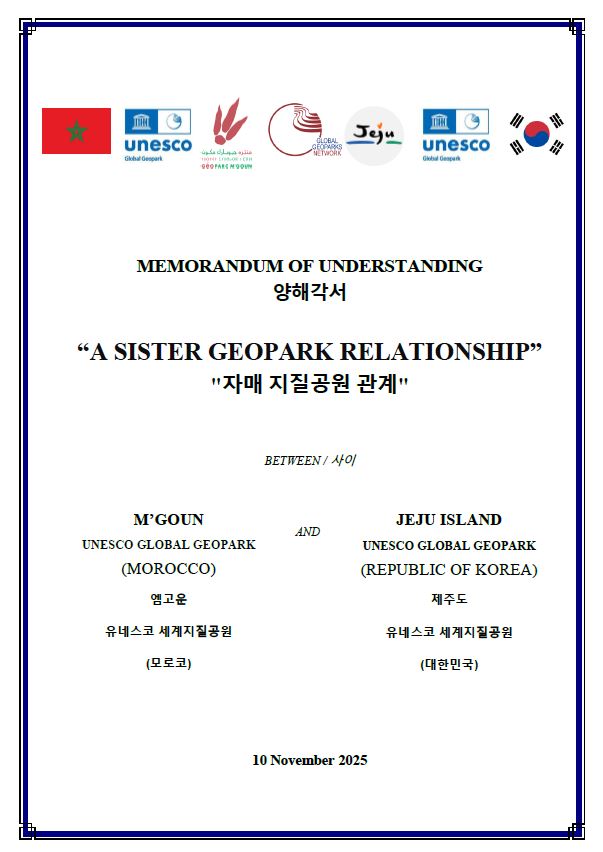
Jeju Island Geopark
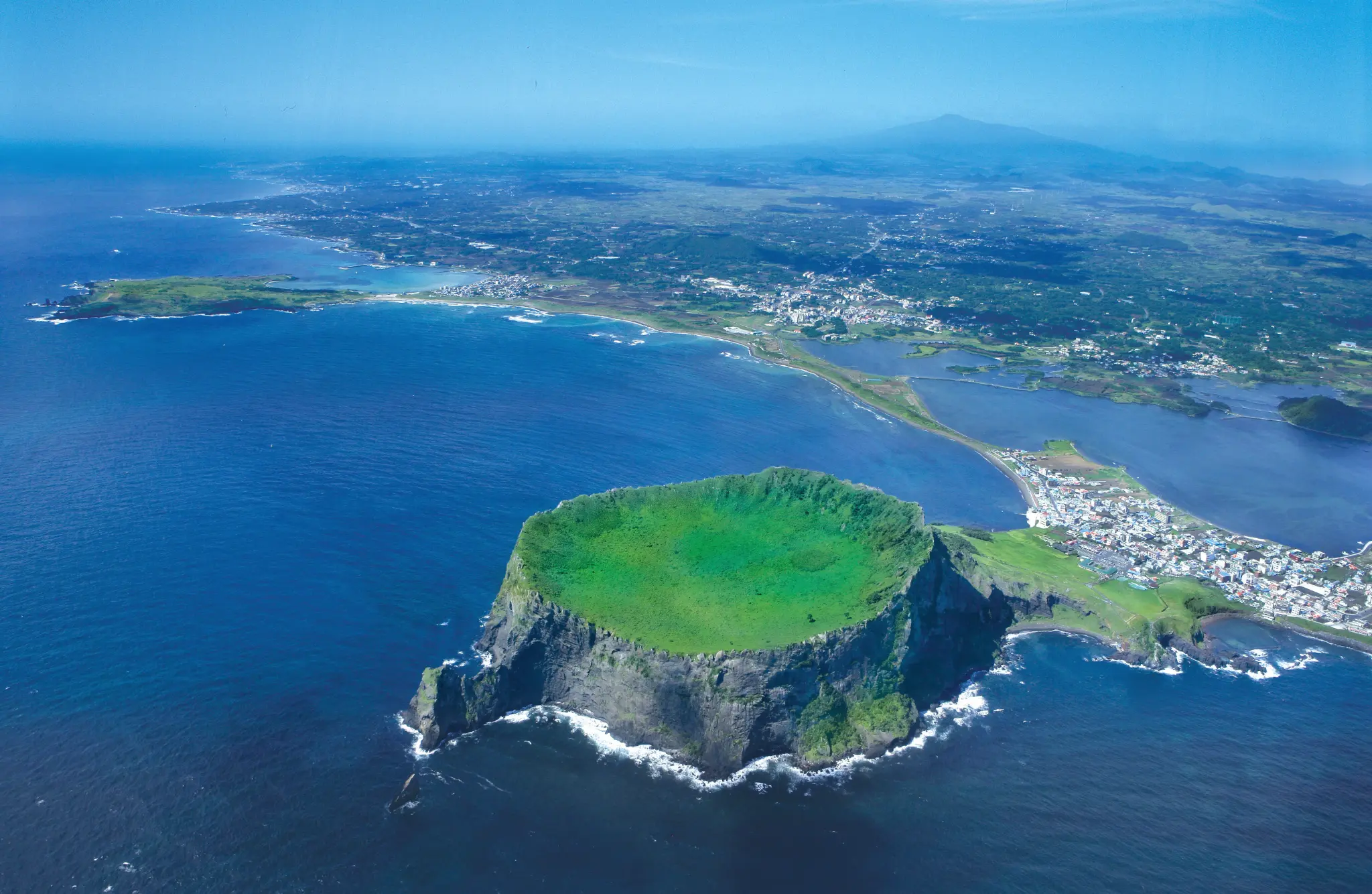
UNESCO Geopark on Jeju Island, Republic of Korea. Famous for Hallasan volcano, Manjanggul lava tubes (7 km), Seongsan Ilchulbong Sunrise Peak, and 360 volcanic cones. UNESCO triple crown: Geopark, Biosphere Reserve, and World Heritage.